
News & Updates The Australian and New Zealand Association of Antiquarian Booksellers
Books, Maps and Manuscripts: Sydney Rare Book Week Celebrates the City's Heritage
Australia's book history is closely intertwined with the country's social, cultural and political development. Long before European settlement, Aboriginal Australians had developed sophisticated traditions of preserving and transmitting knowledge through storytelling, visual symbols and inscriptions on materials ranging from rock and bark to ceremonial objects. The arrival of European settlers in 1788 introduced new forms of printing and book production, laying the foundations for a colonial book trade that would gradually develop into a flourishing literary and collecting culture.
Books were present from the earliest days of European settlement. The First Fleet brought not only books but also a printing press, although it was several years before printing began in the colony. George Howe, who arrived in 1800 and became Government Printer, established Australia's first newspaper, the Sydney Gazette, in 1803. Booksellers, printers and publishers soon followed, supplying a growing population with newspapers, religious works, practical manuals, literature and accounts of exploration.
During the nineteenth century, particularly following the gold rushes of the 1850s, Australia's rapidly expanding cities developed increasingly active literary and intellectual communities. Booksellers established businesses in Sydney, Melbourne and other colonial centres, while libraries, reading rooms and learned societies became important institutions. The Australian Subscription Library, founded in Sydney in 1826, was a forerunner of today's State Library of New South Wales. Melbourne's Public Library, established in 1856, similarly laid the foundations for what would become the State Library of Victoria.
By the late nineteenth and early twentieth centuries, the collecting of books, manuscripts, maps and documents relating to Australian history had become an increasingly important pursuit. Private collectors and public institutions assembled remarkable collections of early exploration accounts, colonial publications, historical manuscripts and works documenting the continent's natural history and cultural development. These collections would form the foundations of some of Australia's most important research libraries.
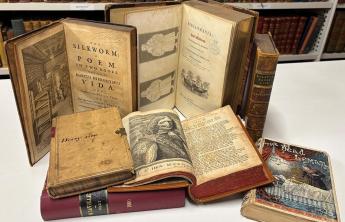
Today, this rich bibliographical heritage continues to be preserved, studied and appreciated by libraries, collectors and antiquarian booksellers. It also provides the historical backdrop to Sydney Rare Book Week and the Sydney Rare Book Fair, which bring together the many different communities involved in the world of rare books.
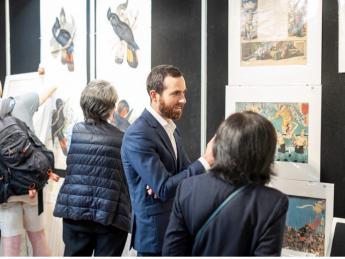
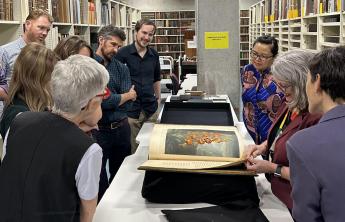
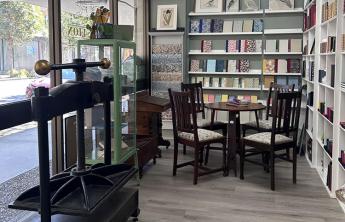
Sydney Rare Book Week offers an impressive programme of talks, exhibitions, workshops and behind-the-scenes visits across the city, organised in collaboration with libraries, museums, archives and members of the antiquarian book trade.
The range of participating institutions is remarkable, including the State Library of New South Wales, the University of Sydney Library, the Australian Museum Research Library, the Art Gallery of New South Wales, the NSW Parliamentary Library and numerous specialist collections and archives.
The programme explores book history from many different perspectives, demonstrating just how much can be discovered through rare books and historical documents.
At the Australian Museum Research Library, visitors have been invited to explore some of the stranger episodes in the history of natural history illustration, from imaginary creatures to early scientific misunderstandings. A presentation at the Antique Print & Map Room examined objects that were never intended to survive, including rare early parts of John Gould's Birds of Australia that the author had asked subscribers to return.
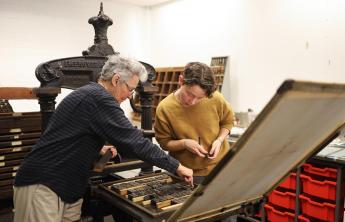
Overseas map dealer and ILAB bookseller Daniel Crouch contributed a talk entitled All Maps Lie!, exploring the use of cartography as a tool of persuasion and propaganda across five centuries. Other events opened doors to private binderies, historic printing presses and collections rarely accessible to the public.
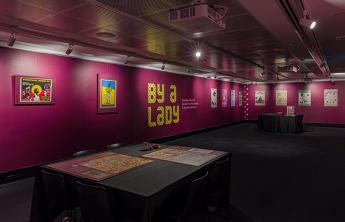
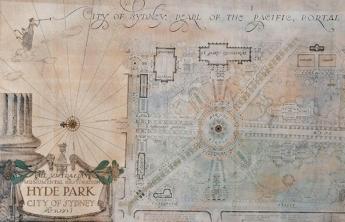
The programme also included exhibitions devoted to women's contributions to literature and the arts, presentations on the preservation of historic buildings and gardens through archival records, and discussions of the history of book collecting and printing.
The week's activities culminate in the Sydney Rare Book Fair, opening on Thursday evening, 22 October, and continuing until Saturday, 24 October 2026.
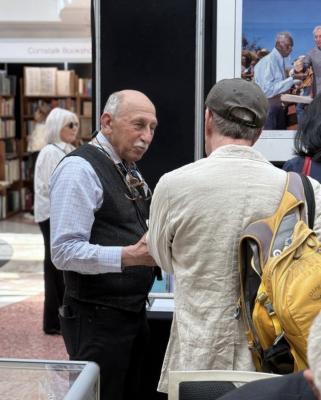
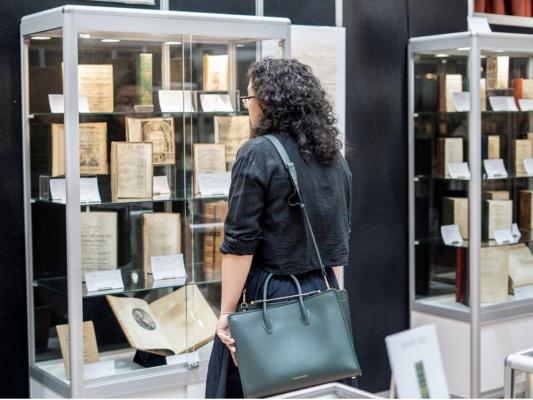
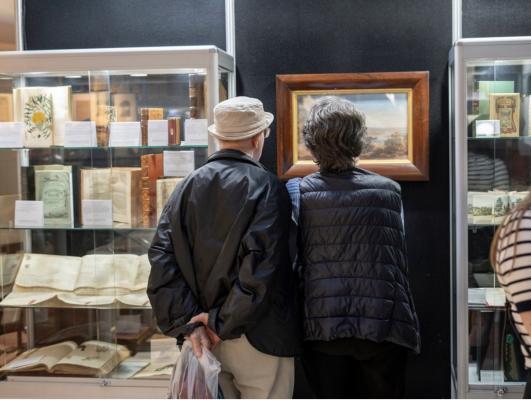
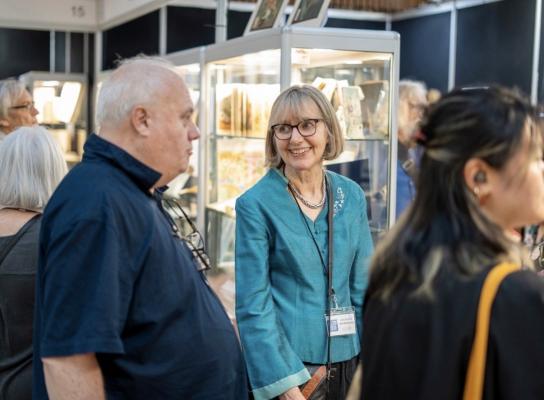
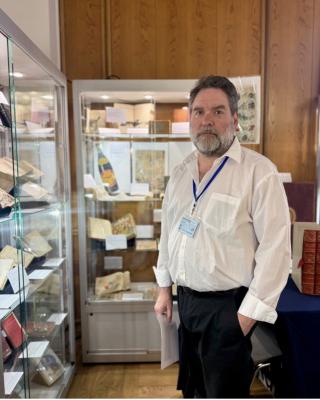
Held in the Glasshouse at the State Library of New South Wales, the fair offers visitors an opportunity to meet antiquarian booksellers and discover the fascinating world of rare and collectible books.
For collectors, scholars and anyone interested in the history of the written word and the world of rare books, the fair provides a fitting conclusion to a week devoted to the preservation, study and appreciation of books.
Sydney Rare Book Fair
22–24 October 2026
Glasshouse, State Library of New South Wales, Sydney
Further information: https://sydneyrarebookfair.com
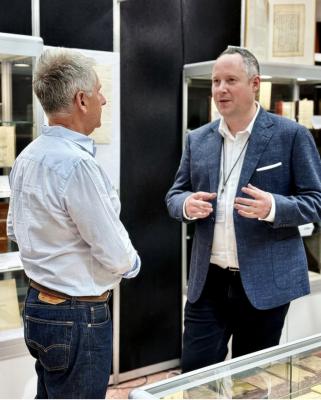



Images supplied by Sydney Rare Book Week / the respective institutions
and Sydney Rare Book Fair, ANZAAB.
Text: Angelika Elstner
Further reading:
www.sydenyrarebookweek.com
Michael F. Suarez, H.R. Woudhuysen: The Oxford Companion to the Book. Oxford: Oxford University Press, 2010.